How Seasonal Changes Affect Your Health: Tips from Dr. Antunes
DA
Understanding Seasonal Changes and Health
As the seasons change, so do the effects on our health. Dr. Antunes, a renowned expert in seasonal health, explains how different times of the year can influence our physical and mental well-being. By understanding these effects, we can take proactive steps to stay healthy all year round.
Seasonal changes impact not only the environment but also our bodies. From temperature fluctuations to varying sunlight exposure, these transitions can trigger a range of health issues. Let's explore how these changes affect us and discover practical tips to maintain optimal health.

Winter and Its Challenges
Cold Weather and Immunity
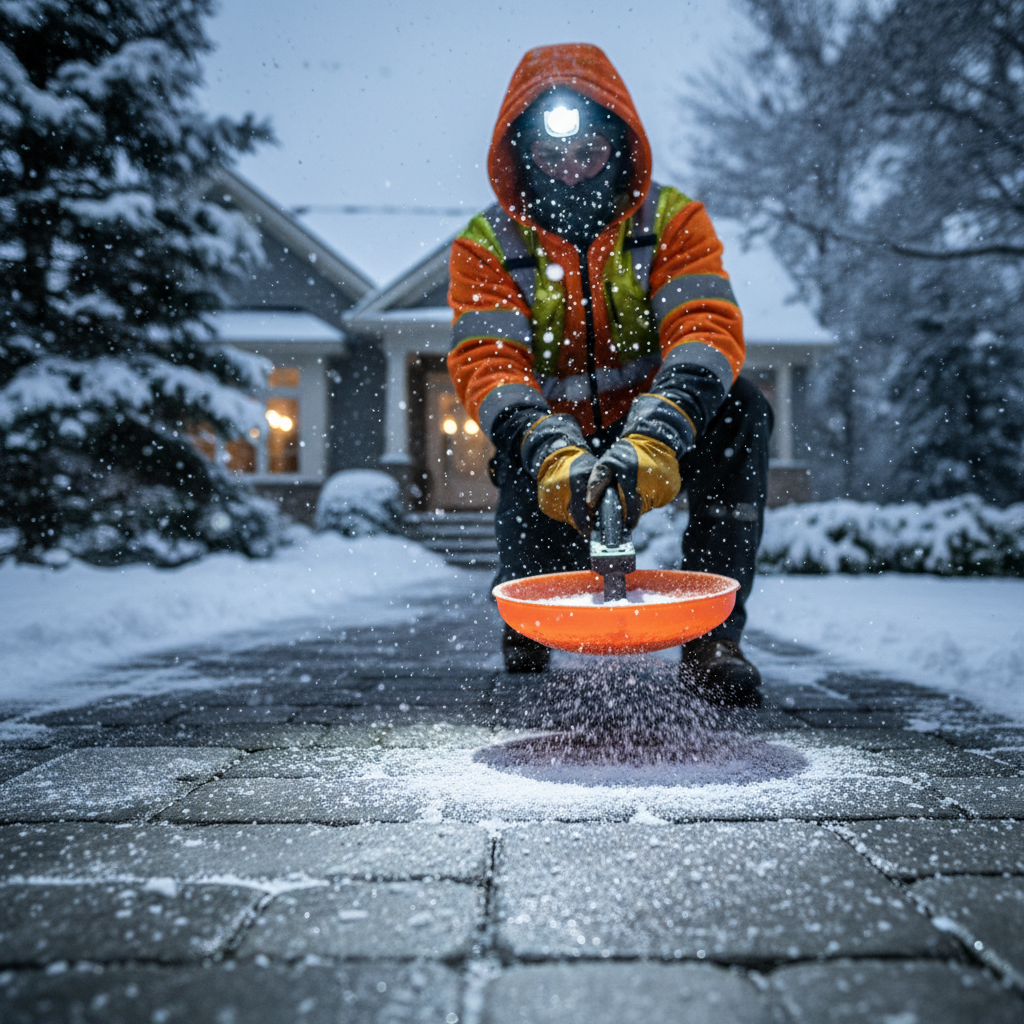
The colder months often bring an increase in colds and flu. Dr. Antunes advises boosting your immune system during winter by consuming foods rich in vitamins C and D. Regular exercise and adequate sleep also play crucial roles in maintaining a strong immune response.
Dealing with Seasonal Affective Disorder
Shorter days and reduced sunlight can lead to Seasonal Affective Disorder (SAD), a type of depression. To combat SAD, Dr. Antunes suggests increasing exposure to natural light, using light therapy lamps, and staying active. These strategies can help elevate mood and energy levels.
Spring Allergies and Well-being
Managing Allergies Effectively
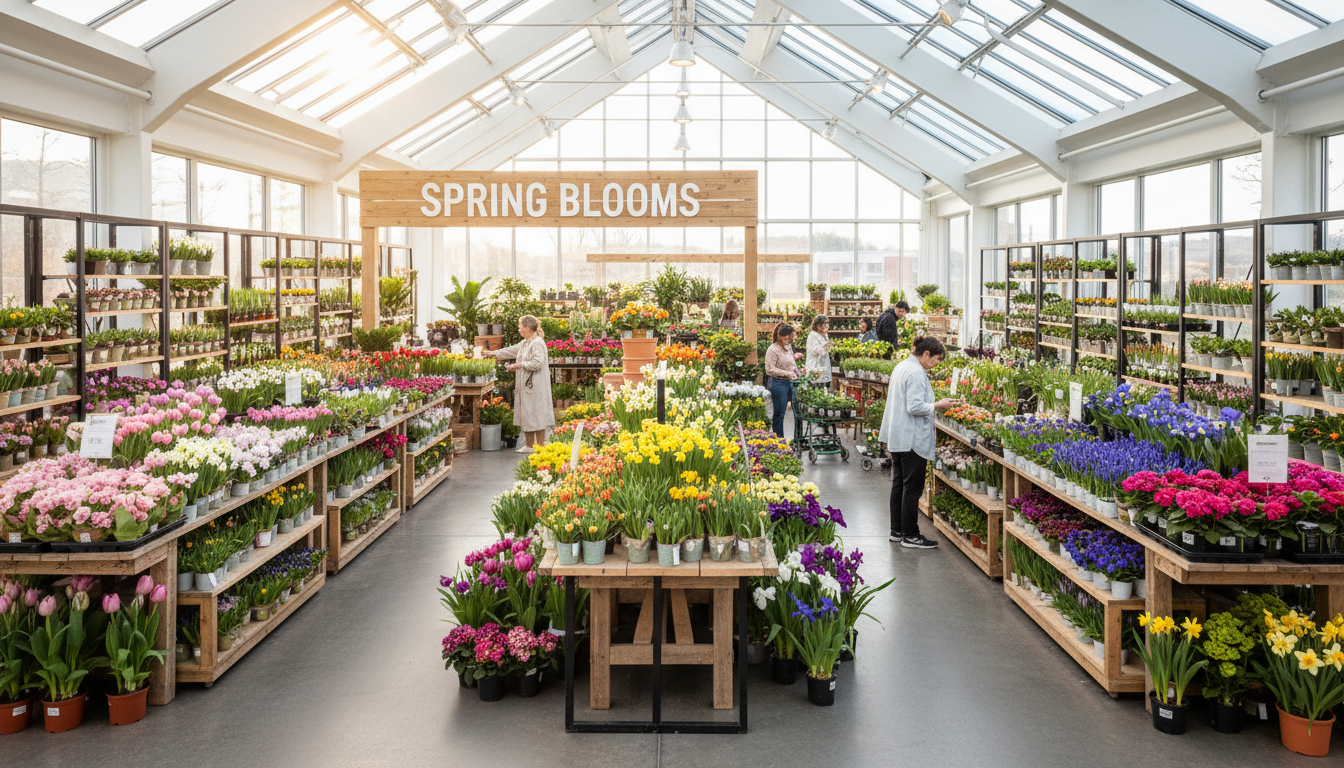
Spring is a beautiful season, but it can be challenging for those with allergies. Pollen levels rise, leading to sneezing, congestion, and itchy eyes. Dr. Antunes recommends keeping windows closed on high pollen days, using air purifiers, and taking appropriate allergy medications as needed.
Embracing Outdoor Activities
As temperatures rise, spring is perfect for enjoying outdoor activities. Engaging in regular exercise outdoors not only boosts physical health but also improves mental well-being. Dr. Antunes encourages taking advantage of the pleasant weather to enhance your overall health.
Summer Heat and Hydration
Staying Cool and Hydrated
With summer comes intense heat, which can lead to dehydration and heat-related illnesses. Dr. Antunes emphasizes the importance of staying hydrated by drinking plenty of water and consuming hydrating foods like fruits and vegetables. Wearing light, breathable clothing also helps in staying cool.
Protecting Skin from UV Rays
Sun protection is crucial during summer months. To prevent skin damage, Dr. Antunes advises applying broad-spectrum sunscreen, wearing hats, and seeking shade during peak sunlight hours. These measures can significantly reduce the risk of skin cancer and premature aging.

Autumn Transitions and Immune Support
Preparing for Flu Season
As autumn arrives, flu season often begins. Dr. Antunes suggests getting a flu vaccine, practicing good hygiene, and continuing to support your immune system with a balanced diet and regular exercise. These steps can help ward off illness as temperatures drop.
Adapting to Cooler Temperatures
Autumn's cooler weather can be a welcome relief, but it also requires adjustments. Dressing in layers and staying active can help the body adapt to the changing temperatures. Dr. Antunes also recommends staying mindful of indoor air quality as heating systems start up.