Seasonal Health Tips: Preparing for Allergy Season in Portugal
DA
Understanding Allergy Season in Portugal
Portugal, with its diverse landscape and mild climate, offers a beautiful array of flora. However, this natural beauty can often be a double-edged sword for allergy sufferers. The allergy season typically kicks off in early spring and can last until late summer, with pollen being the primary culprit. Knowing what to expect and how to prepare can make the season much more manageable.
Identifying Common Allergens
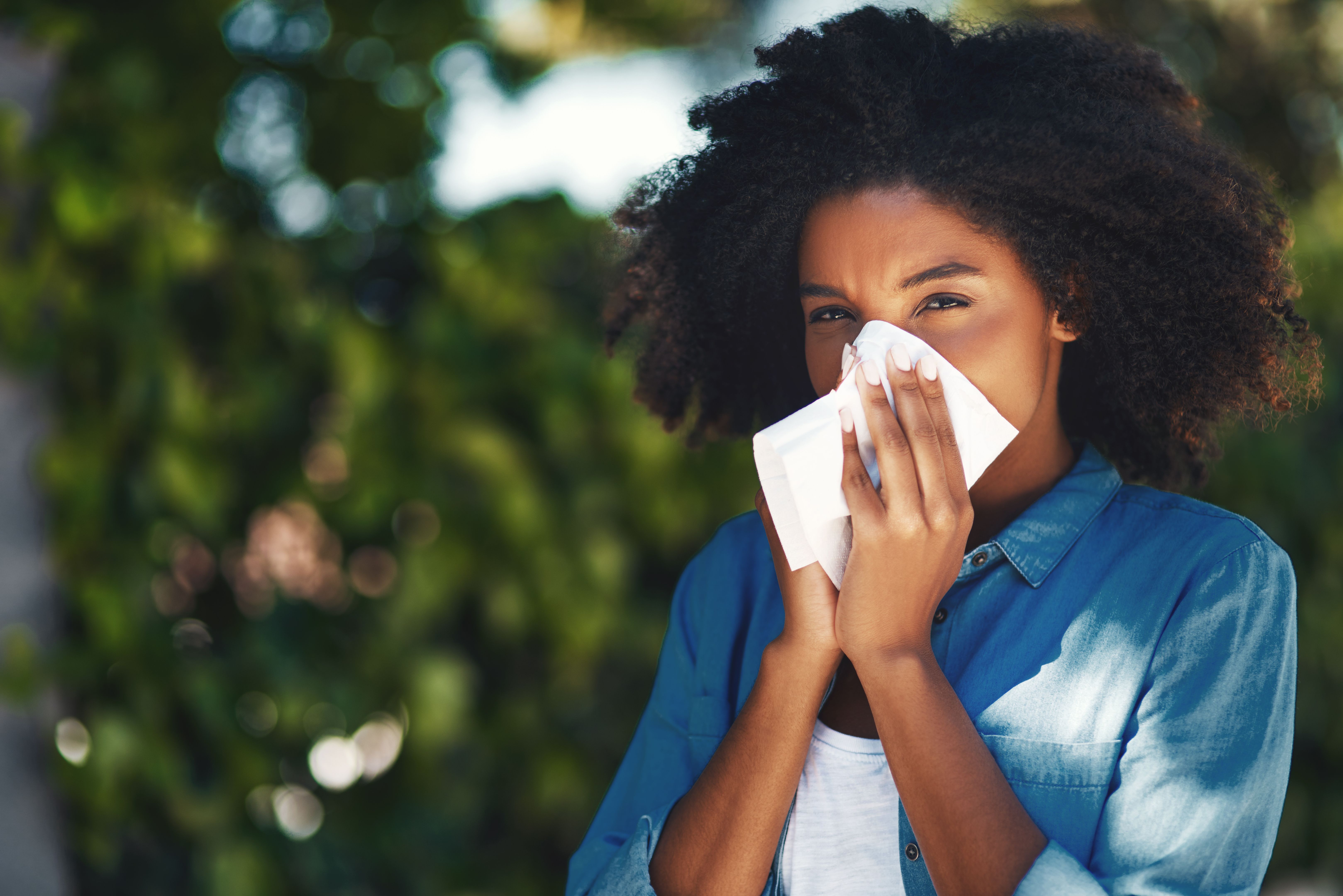
The most common allergens in Portugal include pollen from trees, grasses, and weeds. During spring, birch and oak trees release pollen, while grasses such as ryegrass and Timothy grass contribute to summer allergies. Additionally, weeds like ragweed and nettle can cause symptoms in late summer. Being aware of these allergens can help manage exposure.
Preparing Your Home
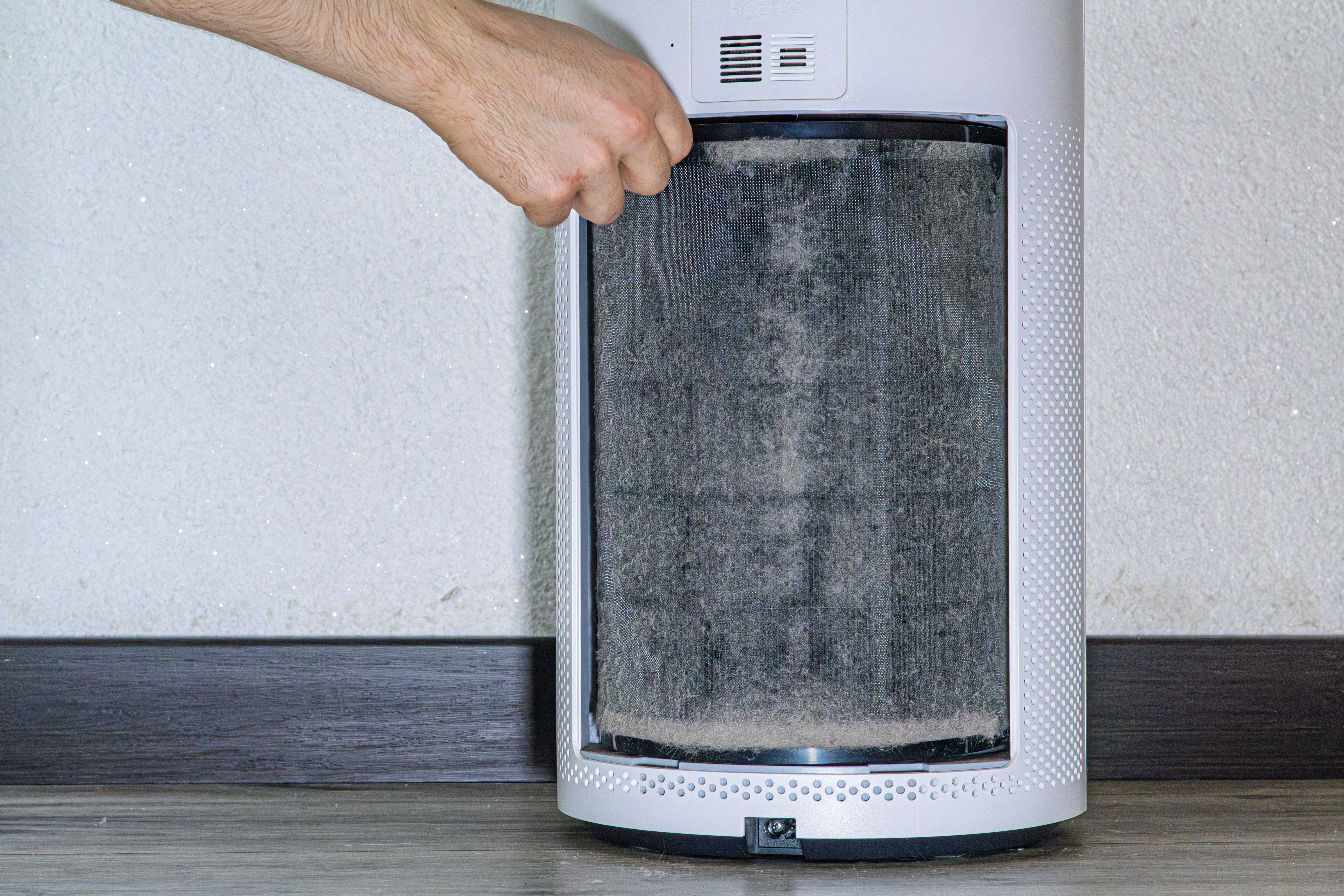
Creating a safe haven at home is crucial during allergy season. Start by ensuring that windows and doors are sealed properly to prevent pollen from entering. Using air purifiers with HEPA filters can significantly reduce indoor allergens. Regularly cleaning and vacuuming with a high-efficiency particulate air filter can also help maintain a low-allergen environment.
Outdoor Precautions
While it's tempting to enjoy the pleasant outdoor weather, taking precautions can help minimize allergy symptoms. Consider wearing sunglasses and a hat to prevent pollen from getting into your eyes and hair. It's also advisable to avoid outdoor activities during peak pollen times, typically in the early morning and late afternoon.
Maintaining a Healthy Diet
A balanced diet can play a vital role in managing allergy symptoms. Foods rich in omega-3 fatty acids, such as salmon and walnuts, have anti-inflammatory properties that can help reduce allergic reactions. Incorporating local honey into your diet is also believed by some to help build immunity to local pollen.

Consulting Healthcare Professionals
If allergies are significantly impacting your quality of life, consulting with a healthcare professional is essential. They can provide personalized advice and prescribe medications such as antihistamines or nasal sprays. For severe cases, allergy shots (immunotherapy) may be an option to consider.
Staying Informed
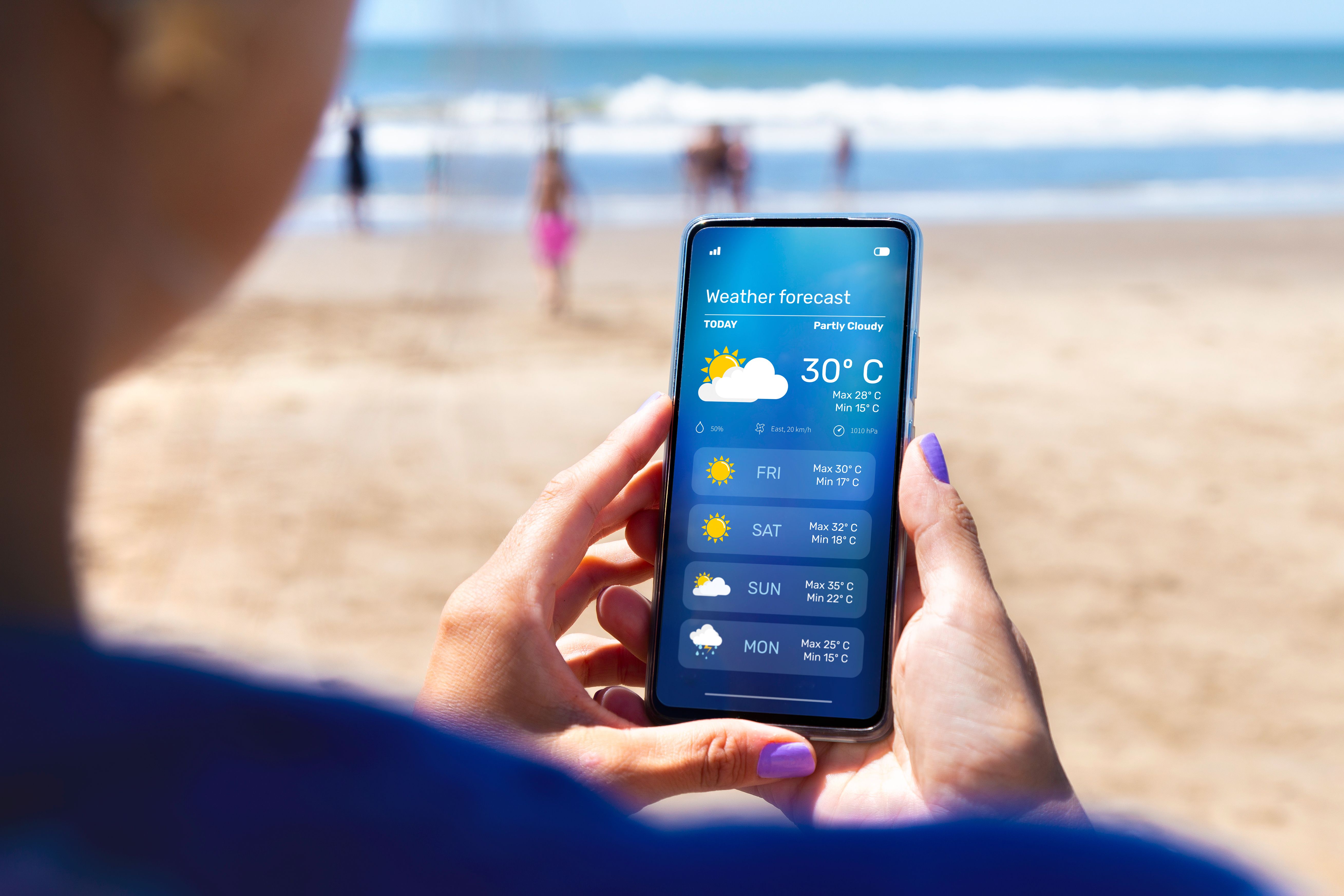
Keeping track of pollen forecasts can help you plan your day better. Many weather services provide daily pollen counts, allowing you to anticipate high pollen days and adjust your activities accordingly. There are also apps available that offer real-time updates on pollen levels in your area.
Building an Allergy Kit
Having an allergy kit ready can be a lifesaver during peak allergy season. Consider including items such as antihistamines, eye drops, and tissues. A small, portable air purifier can also be beneficial when on the go. Keeping this kit handy ensures you’re prepared for unexpected allergy flare-ups.