Understanding Preventive Care: A Family Doctor’s Perspective
DA
What is Preventive Care?
Preventive care is a proactive approach to healthcare that focuses on maintaining wellness and preventing illnesses before they develop into serious conditions. This type of care includes regular check-ups, screenings, and immunizations. A family doctor plays a crucial role in delivering preventive care by helping patients identify risk factors and develop strategies to maintain a healthy lifestyle.

The Importance of Regular Check-Ups
Regular check-ups are vital in preventive care as they allow doctors to detect potential health issues early. These routine visits give your doctor a chance to assess your overall health, monitor existing conditions, and recommend lifestyle changes to prevent diseases. It's during these appointments that screenings for conditions such as diabetes, hypertension, and cholesterol levels are typically conducted.
Family doctors emphasize the importance of these visits, especially for individuals with a family history of certain conditions. Early detection can lead to better treatment outcomes and reduce the risk of complications.
Screenings and Immunizations
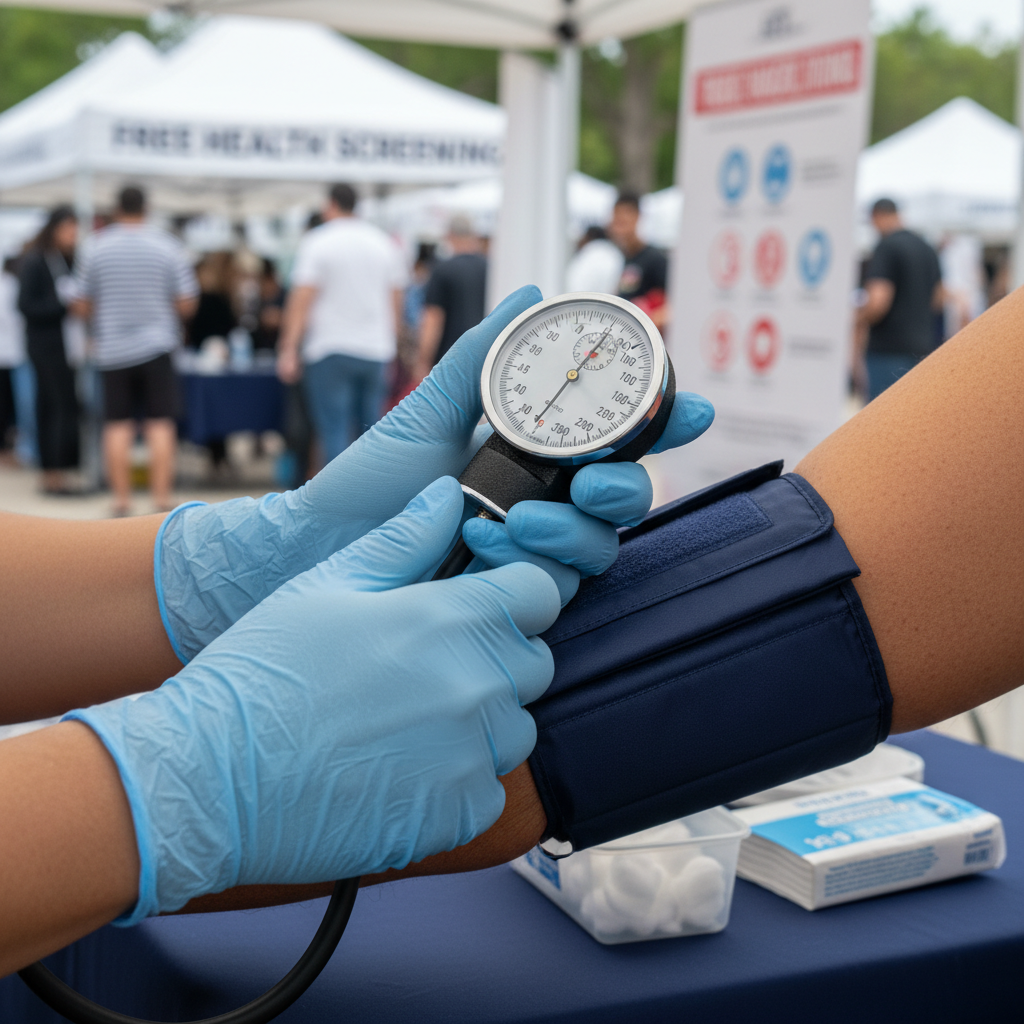
Screenings are essential components of preventive care. They help identify health issues before symptoms appear. Common screenings include mammograms, colonoscopies, and blood pressure checks. These tests can save lives by catching diseases like cancer or heart disease early on.
Immunizations are another critical aspect. Vaccines protect against diseases that can lead to serious health problems. Staying up-to-date with recommended vaccines is important for children and adults alike, as it helps prevent the spread of contagious diseases.
Developing a Healthy Lifestyle
A family doctor can provide personalized advice on nutrition, exercise, and other lifestyle changes that promote long-term health. By addressing factors such as diet, physical activity, and stress management, patients can significantly reduce their risk of developing chronic diseases.
For instance, incorporating a balanced diet rich in fruits, vegetables, and whole grains, along with regular physical activity, can improve cardiovascular health and boost the immune system. These lifestyle modifications are integral to preventive care.
The Role of Family Doctors
Family doctors are uniquely positioned to offer comprehensive preventive care due to their ongoing relationship with patients. They understand a patient’s medical history and family background, allowing them to tailor preventive measures effectively.
Moreover, family doctors often serve as educators, providing valuable information about disease prevention and health maintenance. They empower patients to take charge of their health through informed decisions and preventive strategies.

Challenges and Considerations
Despite its importance, preventive care faces several challenges. Access to healthcare, financial constraints, and lack of awareness can hinder individuals from receiving the preventive services they need. Family doctors strive to overcome these barriers by offering guidance and resources to their patients.
It's essential for patients to communicate openly with their doctors about any obstacles they face in accessing preventive care. Together, they can find solutions that ensure necessary screenings and vaccinations are not overlooked.
Conclusion
Preventive care is a cornerstone of modern healthcare, and family doctors are at the forefront of its implementation. By focusing on early detection, regular screenings, and healthy lifestyle choices, individuals can significantly improve their quality of life and reduce healthcare costs in the long run.
Embracing preventive care is a collaborative effort between patients and healthcare providers, aiming for a healthier future for all.